# Choosing the Right Modular Docks for Your Waterfront Property
A well-designed dock can make a waterfront property more functional, accessible, and enjoyable. Whether you own a lakefront home, riverfront property, or coastal residence, selecting the right dock system is an important decision. The ideal structure should match your waterfront conditions, intended activities, boat size, and long-term maintenance expectations.
[**Modular Docks**](https://expressdocks.com/residential) offer a flexible approach to waterfront construction because they can be designed using individual sections that fit together to create different layouts. From small residential platforms to larger configurations with walkways and boat access, these systems provide several options for property owners. However, choosing the right design requires understanding the water conditions, materials, structural requirements, and available features.
## 1. Understand Your Waterfront Conditions
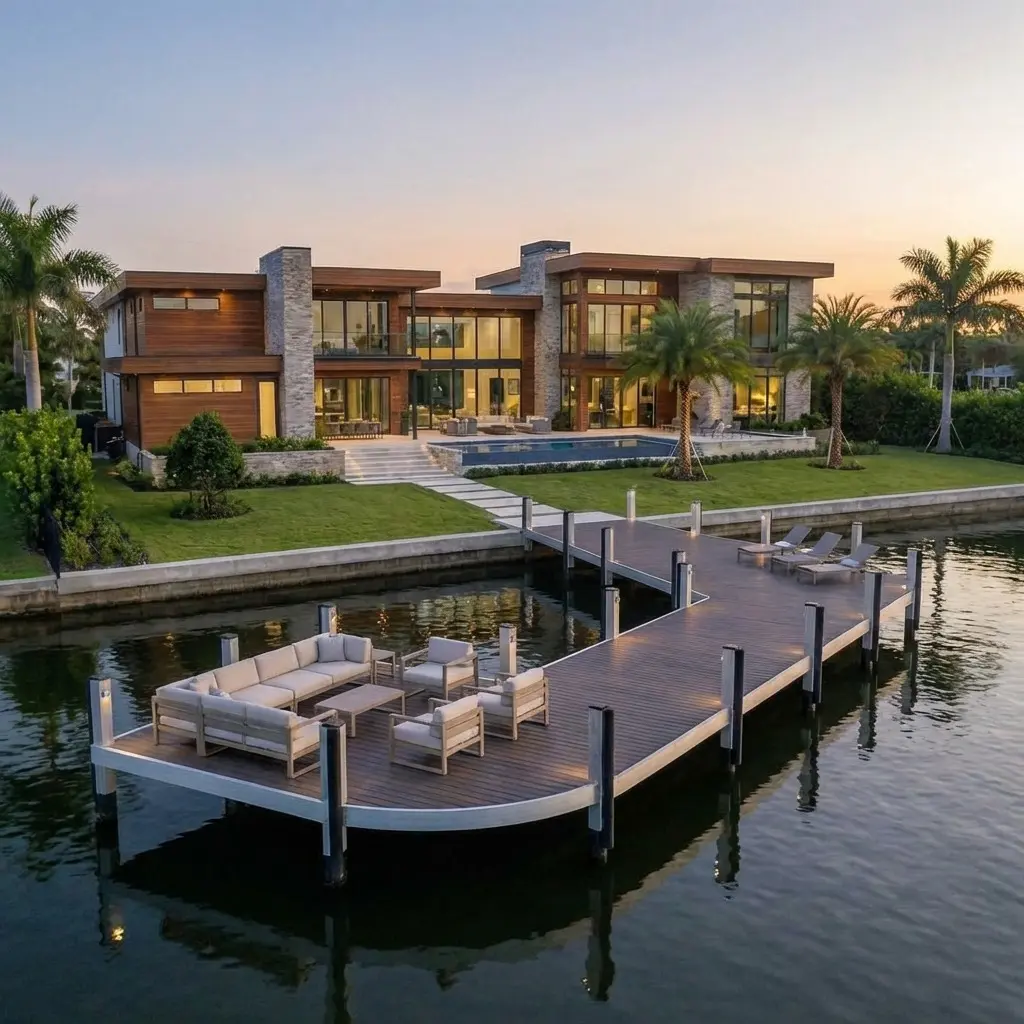
Before selecting a dock, evaluate the environment where it will be installed. Water depth, shoreline slope, currents, tides, and wave activity all influence the type of structure that will perform well.
For example, calm lakes and protected waterfronts generally require less demanding structural support than exposed coastal locations. Properties with changing water levels may benefit from floating systems, while locations with consistent water levels can accommodate fixed structures.
Consider these common waterfront environments:
- Lakefront properties: Calm water and limited wave activity often make single-frame floating docks suitable.
- Riverfront properties: Currents and changing water levels may require additional anchoring and a gangway.
- Tidal waterfronts: Floating docks can adjust to changing water levels, while appropriately designed gangways help maintain shore access.
- Saltwater and exposed bays: Stronger structural designs, corrosion-resistant materials, and suitable anchoring systems are important.
Understanding these conditions helps narrow down the most appropriate dock configuration.
## 2. Choose Between Floating and Fixed Dock Systems
One of the first decisions is whether your property needs a floating or fixed dock. Each option has different structural characteristics and installation requirements.
Floating Docks
Floating docks rest on buoyant flotation units and rise or fall with changing water levels. They are particularly useful for waterfronts affected by seasonal variations, tides, or fluctuating lake levels.
Modular floating systems can also be expanded by connecting additional sections. This makes them suitable for swimming platforms, boat mooring, fishing areas, and recreational waterfront access.
Fixed Docks
Fixed docks are supported by piles installed into the lakebed or seabed. They provide a permanent platform and work well in locations where water levels remain relatively consistent.
However, fixed structures may require more consideration when water depths change significantly. Local water conditions and installation requirements should be evaluated before choosing this option.
## 3. Select the Right Frame Construction
The frame determines much of a dock's structural strength and ability to handle different loads. The appropriate construction depends on expected use, environmental exposure, and boat requirements.
For residential waterfronts, single-frame construction can be suitable for calm to moderately protected conditions. It provides a practical solution for everyday activities such as swimming, fishing, and accessing smaller boats.
Double-truss construction offers additional structural support for heavier loads, larger boats, and more demanding waterfront conditions. It may be appropriate for exposed bays, saltwater locations, and properties experiencing greater wave activity.
When comparing designs, consider the number of boats, expected foot traffic, equipment weight, and environmental conditions rather than selecting a frame based on appearance alone.
## 4. Pay Attention to Docking Materials
Material selection influences durability, maintenance, and long-term performance. Aluminum is a popular option because it combines relatively low weight with structural strength.
For example, 6061-T6 marine-grade aluminum is commonly used in demanding structural applications. Its strength-to-weight characteristics make it suitable for residential and commercial dock construction.
Other important components include:
- Decking: Wood-plastic composite (WPC) decking offers a practical alternative to traditional timber and is available in different colors.
- Flotation: Marine-grade flotation blocks provide buoyancy for floating structures.
- Fasteners: Stainless steel hardware helps resist corrosion in waterfront environments.
- Connecting components: Strong joining bars and properly secured connections help maintain structural stability.
For saltwater properties, material compatibility and corrosion resistance deserve particular attention. Even durable materials require appropriate inspection and maintenance.
## 5. Consider Size, Layout, and Accessibility
The right dock should provide enough space for your intended activities without unnecessarily occupying the waterfront.
Start by identifying how the dock will be used. A property owner who primarily needs boat access may require a different layout from someone planning to include swimming platforms, seating areas, or fishing spaces.
Consider these design elements:
- Dock length and width
- Available shoreline space
- Boat dimensions and docking requirements
- Access for children and older visitors
- Space for recreational equipment
- Gangway length and shoreline elevation
A gangway can be especially useful when the shoreline sits higher than the floating dock or when water levels change throughout the year.
Modular Docks make it easier to create layouts that accommodate different waterfront requirements. Additional sections can be incorporated into a design when more space or functionality is needed.
## 6. Review Installation, Anchoring, and Maintenance
Installation requirements should be considered before purchasing any dock system. Some modular aluminum docks arrive in sections that can be assembled at the waterfront using basic hand tools. However, larger structures may require additional labor or professional assistance.
Anchoring is another essential consideration. The appropriate system depends on water depth, bottom conditions, current strength, wave exposure, and seasonal changes. A suitable anchoring design helps prevent unwanted movement and supports long-term stability.
You should also understand local permitting requirements. Some waterfront installations require approval from local authorities, environmental agencies, or shoreline management organizations.
Routine maintenance should include checking connections, inspecting flotation components, examining anchoring hardware, and cleaning decking surfaces.
## 7. Compare Warranty Coverage and Long-Term Value
The initial purchase price is only one part of the overall investment. Consider material quality, structural design, shipping, installation expenses, replacement components, and warranty coverage.
A longer structural warranty may provide additional confidence, but it is important to review what the warranty actually covers. Check whether it applies to the frame, flotation, decking, hardware, or other components.
For example, Express Docks offers residential aluminum dock options featuring 6061-T6 aluminum construction, WPC composite decking, and a 50-year aluminum frame warranty. Its residential options include Single Frame, Double Truss, and Fixed Dock configurations.
The company also provides custom engineering and design, factory assembly documentation, and palletized shipping. Reviewing these details can help property owners understand what is included and which additional expenses, such as anchoring and installation labor, need to be planned separately.